
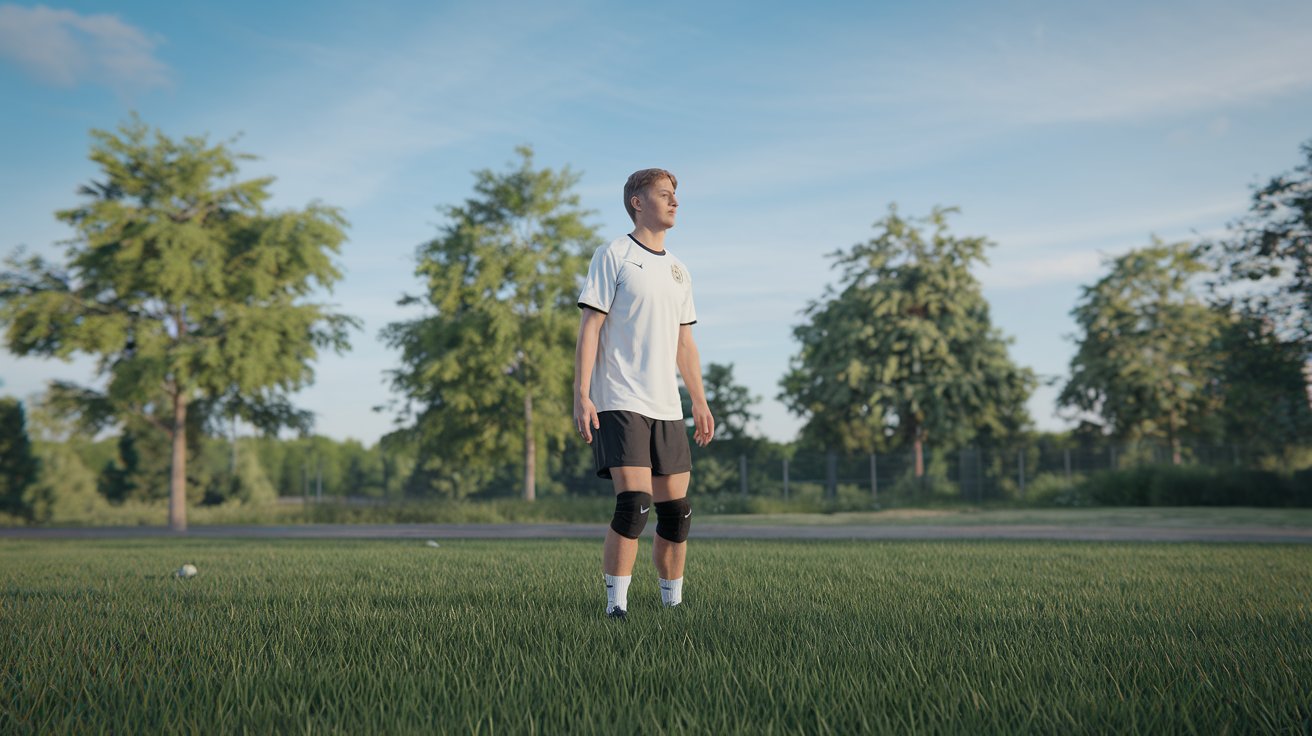
Practicing volleyball alone is not only possible but highly effective for skill development. Whether you’re at home, in your backyard, or at a gym, solo training allows you to focus on fundamental techniques like serving, ball control, and footwork without relying on teammates. This comprehensive guide covers proven methods and drills that will enhance your volleyball skills through independent practice sessions.
Essential Solo Volleyball Practice Fundamentals
Solo volleyball practice requires understanding the core fundamentals that translate to game performance. Focus on perfecting your ball contact, body positioning, and timing through repetitive movements. The most effective solo training sessions incorporate muscle memory development, which occurs when you perform the same movement pattern consistently over time.
Start each practice session with a 10-minute warm-up routine that includes dynamic stretching, arm circles, and light jogging in place. This preparation prevents injury and optimizes your body for the specific movements required in volleyball. Professional players dedicate 30-40% of their training time to solo practice, emphasizing its importance in skill development.
How to Practice Hitting Volleyball by Yourself
Practicing volleyball hitting alone requires creative approaches that simulate game conditions. The most effective method involves using a wall or rebounder to create consistent ball return angles. Position yourself 8-10 feet from a solid wall and practice your approach, jump, and arm swing mechanics repeatedly.
For hitting practice without equipment, focus on shadow swinging and approach footwork. Practice the four-step approach pattern: right-left-right-left for right-handed hitters, emphasizing the explosive final two steps. Incorporate arm swing mechanics by visualizing ball contact at your highest reach point, maintaining proper elbow positioning throughout the motion.
Wall Hitting Drills for Solo Practice
Wall hitting drills provide excellent solo volleyball training opportunities. Start with gentle tosses against the wall, allowing the ball to bounce once before executing your hit. Gradually increase intensity while maintaining proper form. Focus on consistent contact point and follow-through direction to develop accurate hitting patterns that translate to court performance.
Shadow Hitting Technique Development
Shadow hitting allows you to perfect your hitting technique without a ball. Practice your approach steps, focusing on the acceleration pattern and timing. Emphasize the arm swing mechanics, ensuring your elbow stays high and your contact point remains consistent. Perform 3 sets of 15-20 shadow hits daily to build muscle memory.
Solo Volleyball Serving Practice Methods
Serving practice represents the most accessible volleyball drill for solo training. Set up targets using cones, towels, or tape on a wall to simulate court zones. Focus on consistency first, then gradually increase power and accuracy. Professional servers practice 100-200 serves daily, with 70% focusing on placement accuracy rather than power.
For home practice without a net, use a wall target system positioned 7.5 feet high to simulate net height. Practice both underhand and overhand serves, maintaining consistent toss height and contact point. Track your accuracy rate by counting successful target hits per 10-serve sets, aiming for 60% accuracy before advancing to more challenging targets.
Target Serving Accuracy Drills
Create a target system using household items to improve serving accuracy. Place different sized targets at various court positions, assigning point values based on difficulty. Practice serving to specific zones for 15-20 minutes daily, keeping detailed accuracy statistics to track improvement over time.
Consistent Serve Toss Development
Perfect serve toss consistency through repetitive practice. Practice tossing the ball to your optimal contact point 50 times without serving, focusing on height and placement consistency. A consistent toss eliminates variables and allows you to focus on contact mechanics and follow-through direction.
Ball Control and Passing Solo Drills
Developing ball control skills alone requires focused repetition and progressive difficulty increases. Start with basic wall passing, standing 3 feet from a wall and passing the ball continuously using proper forearm platform technique. Maintain consistent contact point and platform angle while tracking your consecutive pass count.
Advanced solo ball control includes setting to yourself and transitioning between different contact types. Practice bump-set-spike sequences against a wall, maintaining ball control throughout the combination. Focus on consistent ball height and placement, essential skills that improve overall court awareness and game performance.
The 5-3-5-3-5 Volleyball Drill for Solo Training
The 5-3-5-3-5 drill involves performing specific movements in numerical sequences: 5 serves, 3 setting touches, 5 passing touches, 3 hitting motions, and 5 defensive movements. This comprehensive drill develops multiple skills within a single practice session while maintaining high repetition rates for skill reinforcement.
Adapt this volleyball drill for solo practice by using wall surfaces and self-tosses. Complete each sequence with 30-second rest intervals between exercises. The drill typically takes 15-20 minutes and provides excellent cardiovascular conditioning alongside skill development, making it ideal for comprehensive solo training sessions.
Understanding the 3 C’s in Volleyball Practice
The 3 C’s in volleyball refer to Communication, Consistency, and Concentration. During solo practice, focus primarily on consistency and concentration since communication applies to team situations. Consistency involves performing identical movements repeatedly until they become automatic responses during game situations.
Concentration during solo volleyball practice means maintaining mental focus throughout entire training sessions. Eliminate distractions and visualize game scenarios while practicing individual skills. Professional players report that concentrated solo practice sessions produce faster skill improvement rates compared to unfocused training with teammates.
Solo Volleyball Training Equipment for Home Practice
Essential solo volleyball training equipment includes a quality practice ball, wall space, and basic marking tools. A regulation volleyball provides proper weight and feel for skill development. Resistance bands enhance jumping ability and arm strength, while agility ladders improve footwork patterns essential for court movement.
Budget-friendly equipment options for home practice include using tape for court markings, household items as targets, and stairs for plyometric training. A basic volleyball and wall access provide sufficient equipment for developing fundamental skills. Investment in a portable rebounder net significantly enhances solo hitting and passing practice quality.
Essential Training Equipment List
Core training equipment includes: regulation volleyball ($20-30), resistance bands ($15-25), agility ladder ($25-35), and court marking tape ($10-15). Optional equipment includes portable rebounder nets ($75-150) and weighted training balls ($30-50) for advanced skill development.
Budget-Friendly Alternatives
Create effective training alternatives using household items. Use masking tape for court lines, pillows as soft landing surfaces for diving practice, and stairs for plyometric exercises. A simple wall and volleyball provide everything needed for fundamental skill development in solo practice sessions.
Volleyball Practice Without a Wall or Net
Practicing volleyball without a wall focuses on self-controlled exercises and movement patterns. Perform setting drills by tossing the ball to yourself and practicing consistent hand positioning and release technique. Develop serving motions through shadow serving, emphasizing proper mechanics without ball contact.
Footwork and agility training represent primary practice areas when wall access is unavailable. Practice approach patterns, defensive shuffles, and transition movements in available space. These movement patterns directly translate to improved court performance and can be practiced anywhere with minimal space requirements.
Age-Specific Solo Training: Volleyball Drills for 10-12 Year Olds
Youth players aged 10-12 benefit from modified volleyball drills that emphasize fun while building fundamental skills. Focus on basic ball familiarity exercises like juggling, simple wall passing, and underhand serving to develop hand-eye coordination. Keep practice sessions to 30-45 minutes to maintain attention and enthusiasm.
Age-appropriate solo drills include balloon volleyball for slow-motion skill development, target games for accuracy improvement, and basic movement patterns without advanced techniques. Emphasize proper form over power or speed, building foundation skills that support advanced technique development as players mature.
Understanding the 8-Second Rule in Volleyball
The 8-second rule in volleyball requires servers to complete their service motion within 8 seconds after the referee’s whistle. This rule promotes game pace and prevents excessive delays during serving sequences. During solo practice, simulate this time pressure by using a timer or counting to develop consistent serving rhythm.
Practice serving under time pressure by incorporating countdown timers into your solo training sessions. This develops mental toughness and consistent serving routines that perform effectively during competitive matches. Professional players practice serving with various time constraints to build confidence and consistency under pressure situations.
Related video about how to practice volleyball alone
This video complements the article information with a practical visual demonstration.
Everything you need to know about how to practice volleyball alone
How to practice hitting volleyball by yourself?
Practice hitting volleyball alone by using wall rebounds, shadow swinging, and approach footwork drills. Focus on proper mechanics with 3-4 step approach patterns, consistent arm swing technique, and contact point development. Use wall hitting drills starting 8-10 feet away, gradually increasing intensity while maintaining form.
What is the 5-3-5-3-5 drill in volleyball?
The 5-3-5-3-5 drill involves performing 5 serves, 3 setting touches, 5 passing touches, 3 hitting motions, and 5 defensive movements in sequence. Adapt for solo practice using walls and self-tosses, completing each sequence with 30-second rest intervals for comprehensive skill development.
What are the 3 C’s in volleyball?
The 3 C’s in volleyball are Communication, Consistency, and Concentration. During solo practice, focus on consistency through repetitive identical movements and concentration by maintaining mental focus throughout training sessions while eliminating distractions and visualizing game scenarios.
What is the 8-second rule in volleyball?
The 8-second rule requires volleyball servers to complete their service motion within 8 seconds after the referee’s whistle. Practice this timing during solo sessions using countdown timers to develop consistent serving rhythm and mental toughness under pressure situations.
How can beginners practice volleyball alone effectively?
Beginners should start with basic ball control exercises, wall passing drills, and serving practice. Focus on fundamental techniques like proper forearm platform, consistent toss height, and basic footwork patterns. Practice 30-45 minute sessions emphasizing form over power for solid skill foundation development.
What equipment do I need for solo volleyball practice?
Essential solo volleyball practice equipment includes a regulation volleyball, wall space, and basic marking materials. Optional equipment includes resistance bands for strength training, agility ladders for footwork, and portable rebounders for advanced hitting practice. Budget alternatives use household items effectively.
| Practice Area | Key Technique | Solo Training Benefit |
|---|---|---|
| Serving | Target accuracy and consistent toss | Develops independent point-scoring ability |
| Hitting | Wall rebounds and approach timing | Improves attack mechanics and power |
| Ball Control | Wall passing and self-setting | Enhances touch and consistency |
| Footwork | Movement patterns and agility | Builds court awareness and positioning |