
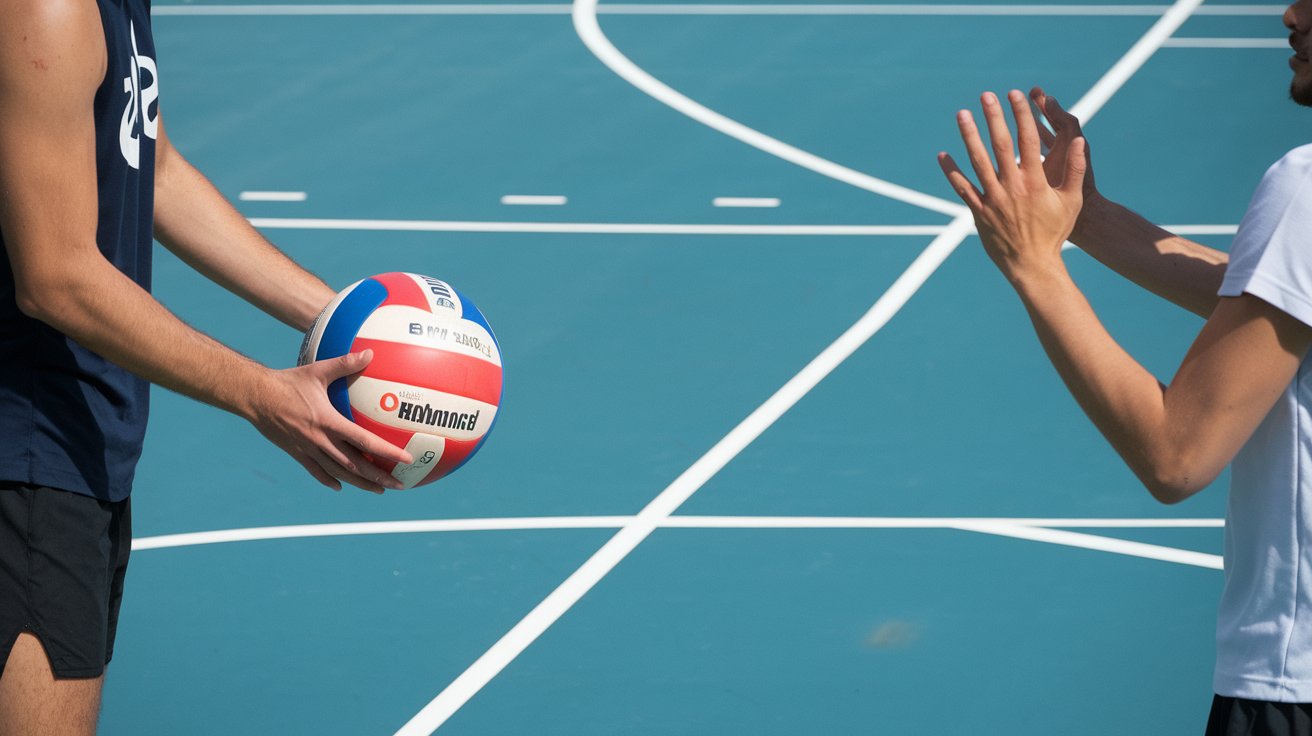
Learning volleyball drills for beginners is the foundation of becoming a skilled player. Whether you’re an 8-year-old just starting or a high school student joining your first team, the right practice routines will develop your fundamental skills quickly. This comprehensive guide covers essential beginner volleyball drills that you can practice at home, in the gym, or with your team.
Essential Volleyball Skills Every Beginner Must Master
Before diving into specific volleyball drills for beginners, it’s crucial to understand the five fundamental skills that form the backbone of volleyball. These include serving, passing, setting, attacking, and blocking. Each skill requires dedicated practice time, with beginners typically needing 2-3 months to develop basic proficiency in each area.
The basic volleyball skills progression should start with ball control exercises before moving to more complex movements. Research from USA Volleyball shows that players who master fundamentals early have 40% better long-term development rates compared to those who rush into advanced techniques without proper foundation work.
The 3 C’s of Volleyball Success
The 3 C’s in volleyball are Communication, Control, and Consistency. Communication involves calling for the ball and coordinating with teammates. Control refers to your ability to direct the ball precisely where intended. Consistency means performing skills reliably under pressure. These three elements should be emphasized in every beginner drill session.
Age-Appropriate Skill Development
Different age groups require tailored approaches to volleyball training for beginners. Players aged 8-10 focus on basic ball handling and coordination. Ages 10-12 can handle more complex passing and serving drills. High school beginners (14-18) can incorporate tactical elements alongside technical skill development. This progressive approach ensures safe and effective learning at every stage.
Volleyball Passing Drills for Beginners
Volleyball passing drills for beginners form the cornerstone of effective team play. Passing, also known as bumping, is typically the first skill taught because it’s used in approximately 60% of all volleyball contacts during games. These drills develop proper platform formation, body positioning, and ball control essential for successful play.
Start with stationary passing against a wall, progressing to partner passing, and eventually moving to target passing. The wall rebound drill is particularly effective for solo practice, allowing beginners to get hundreds of touches in a single session while developing consistent form and timing.
Wall Passing Techniques
The wall passing drill involves standing 6 feet from a wall and passing the ball repeatedly. Focus on creating a flat platform with your forearms, keeping your shoulders square to the target, and maintaining consistent contact point. Beginners should aim for 50 consecutive passes before progressing to moving drills.
Partner Passing Progressions
Partner passing drills begin with players 10 feet apart, gradually increasing distance as control improves. Start with underhand tosses and progress to actual passes. The key is maintaining accuracy over distance, with beginners aiming for 8 out of 10 successful passes before advancing to the next level.
Volleyball Drills for 8-10 Year Olds
Volleyball drills for 8-10 year olds must emphasize fun while building fundamental motor skills. At this age, attention spans are typically 10-15 minutes per drill, so variety and game-like activities are essential. Focus on basic ball handling, coordination, and simple movements rather than complex techniques.
Popular drills include balloon volleyball to slow down the game, catching and throwing exercises to develop hand-eye coordination, and simple serving from close distances. The emphasis should be on making volleyball practice fun for beginners through games and positive reinforcement rather than technical perfection.
Fun Ball Control Activities
Incorporate beginner-friendly activities like balloon juggling, beach ball passing, and soft volleyball tossing games. These activities develop hand-eye coordination and ball tracking skills while keeping young players engaged and excited about volleyball.
Basic Movement Patterns
Teach fundamental volleyball movements through simple games like red light/green light with shuffling, bear crawls for strength, and balance exercises. These activities build the athletic foundation necessary for more advanced volleyball skills.
Volleyball Drills for 10-12 Year Olds
Volleyball drills for 10-12 year olds bridge the gap between basic coordination and more advanced volleyball skills. Players in this age group can handle 15-20 minute drill sessions and begin learning proper technique for passing, serving, and setting. The focus shifts from pure fun to skill development while maintaining engaging activities.
Introduce target serving, basic setting motions, and controlled passing sequences. Players should practice basic volleyball drills that emphasize repetition and gradual skill progression. This age group can handle light competition elements to maintain motivation and measure progress.
High School Volleyball Drills for Beginners
High school volleyball drills for beginners must quickly develop game-ready skills while addressing the unique challenges of older beginners. These players often have better physical capabilities but may feel intimidated by younger, more experienced players. Focus on accelerated skill development through intensive, structured practice sessions.
Incorporate competitive elements, team-building exercises, and position-specific training. High school beginners can handle complex drill progressions and should be introduced to basic game situations within their first month of training. Emphasize proper technique to prevent bad habits that are harder to correct in older players.
Accelerated Learning Techniques
Use intensive drilling methods including video analysis, peer coaching, and focused repetition sessions. High school beginners benefit from understanding the ‘why’ behind each technique, making them more engaged learners compared to younger players.
Position-Specific Training
Introduce specialized volleyball positions early in training, allowing players to focus on developing skills most relevant to their likely playing role. This targeted approach accelerates development and increases player confidence and engagement.
Volleyball Drills for Beginners at Home
Volleyball drills for beginners at home are essential for skill development outside of team practice. Home drills allow for extra repetition, individual skill focus, and practice schedule flexibility. These drills require minimal equipment and space, making them accessible to all beginners regardless of their training environment.
Effective at-home volleyball practice includes wall work, juggling exercises, serving into targets, and fitness conditioning. Players who supplement team practice with 20-30 minutes of daily home drills show 25% faster skill improvement compared to those who only practice during organized sessions.
No-Equipment Drills
Practice volleyball movements without a ball including shuffling patterns, jumping exercises, and serving motion mechanics. These drills develop muscle memory and can be performed in any living space, making consistent practice possible regardless of weather or ball availability.
Single Ball Exercises
Maximize individual skill development with solo ball work including juggling, wall passing, self-setting, and accuracy serving. These exercises provide hundreds of ball contacts per session, accelerating the development of ball control and consistency.
Free Volleyball Drills and Resources
Free volleyball drills for beginners are readily available through various online platforms, coaching associations, and volleyball organizations. USA Volleyball provides comprehensive drill libraries, while many high school and college programs share their training resources publicly. These free resources make quality volleyball instruction accessible to all players and coaches.
Utilize volleyball drill PDFs, video tutorials, and mobile apps to supplement your training program. Many resources offer progressive skill development plans, making it easy to structure effective practice sessions without expensive coaching or facility fees.
Creating Effective Practice Sessions
Structuring effective volleyball practice for beginners requires balancing skill development, conditioning, and fun. A typical 90-minute beginner session should include 15 minutes of warm-up, 45 minutes of skill drills, 20 minutes of game-like activities, and 10 minutes of cool-down. This format maintains engagement while maximizing learning opportunities.
Rotate between different skill focus areas every 10-15 minutes to prevent mental fatigue and maintain high energy levels. Incorporate competitive elements and positive reinforcement to keep beginners motivated throughout the session. Track individual progress to celebrate improvements and identify areas needing additional attention.
Related video about volleyball drills for beginners
This video complements the article information with a practical visual demonstration.
Questions & Answers
How should a beginner train for volleyball?
Beginners should train for volleyball by focusing on fundamental skills including passing, serving, and ball control. Start with 2-3 practice sessions per week, spending 20-30 minutes on basic drills. Emphasize proper technique over power, practice at home with wall work, and gradually progress to more complex skills as fundamentals improve. Consistency in practice is more important than intensity for beginners.
What are the 3 C’s in volleyball?
The 3 C’s in volleyball are Communication, Control, and Consistency. Communication involves calling for the ball and coordinating with teammates. Control refers to your ability to direct the ball precisely where intended. Consistency means performing skills reliably under pressure. These three elements are fundamental to successful volleyball play at all levels.
How to make volleyball practice fun for beginners?
Make volleyball practice fun by incorporating games like balloon volleyball, relay races, and target challenges. Use positive reinforcement, celebrate small improvements, and vary drills every 10-15 minutes. Include team-building activities, music during warm-ups, and friendly competitions. Focus on effort and improvement rather than perfection to maintain enthusiasm and engagement.
What are the 5 basic rules of volleyball?
The 5 basic volleyball rules beginners must know are: 1) Teams can hit the ball only 3 times per side before sending it over the net, 2) Players cannot catch or hold the ball, 3) The ball must stay within the court boundaries, 4) Players rotate positions clockwise when winning the serve, and 5) Games are typically played to 25 points with a 2-point lead required to win.
What equipment do beginners need for volleyball practice?
Beginner volleyball players need a regulation volleyball, athletic shoes with good grip, comfortable athletic clothing, and knee pads for floor work. Optional equipment includes a portable net for home practice, cones for drill markers, and a ball cart for team practice. Most drills can be performed with just a ball and wall space, making volleyball accessible for home practice.
How long does it take to learn basic volleyball skills?
Most beginners can develop basic volleyball skills within 2-4 months of consistent practice. Fundamental skills like passing and serving typically take 4-6 weeks to become reliable, while more complex skills like setting and attacking require 8-12 weeks of regular training. Individual progress varies based on athletic background, practice frequency, and quality of instruction.
| Age Group | Key Focus Areas | Recommended Practice Frequency |
|---|---|---|
| 8-10 Years | Ball control, coordination, fun activities | 2-3 times per week, 45-60 minutes |
| 10-12 Years | Basic techniques, passing, serving | 3-4 times per week, 60-75 minutes |
| High School | All skills, game situations, strategy | 4-5 times per week, 90 minutes |
| Home Practice | Wall work, individual skills, fitness | Daily, 20-30 minutes |