
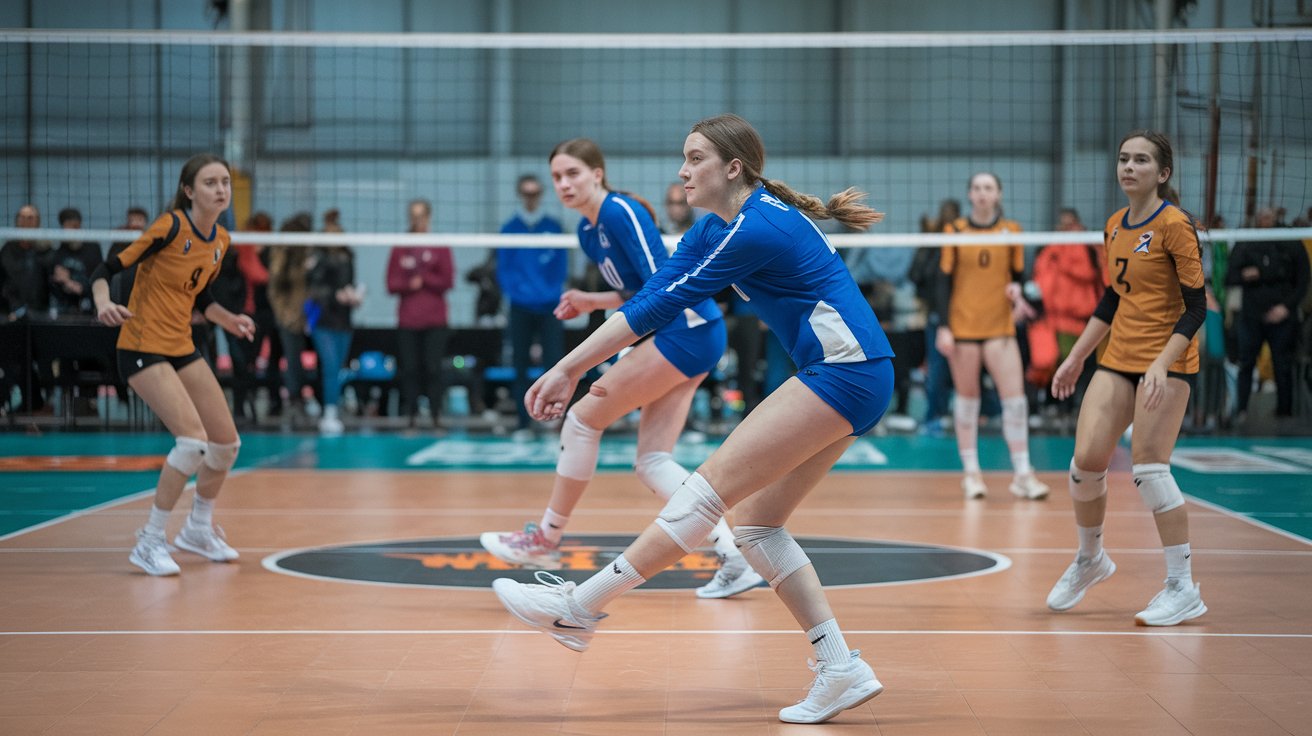
Yes, you can kick the ball in volleyball under current rules, but with specific restrictions. According to the Federation Internationale de Volleyball (FIVB) and USA Volleyball regulations updated in 2024, players may use any part of their body to contact the ball, including feet and legs. However, the contact must be clean, controlled, and follow standard volleyball rules regarding ball handling and team touches.
Official Volleyball Rules for Kicking in 2024
The current volleyball rules allow players to kick the ball as a legal form of contact. This rule applies across all major volleyball organizations including USA Volleyball, NCAA, and FIVB competitions. The key requirement is that the contact must be intentional and controlled, not accidental. Players can use their feet, legs, or any part of their body except during serving, where only hand contact is permitted.
In the United States, both high school volleyball and collegiate programs follow these guidelines. The National Federation of State High School Associations (NFHS) adopted similar rules, making foot contact legal in organized play. This change has significantly impacted defensive strategies and emergency ball saves across all levels of competition.
FIVB International Standards
The FIVB rules clearly state in Rule 9.2.1 that players may contact the ball with any part of the body. This includes kicking motions with feet, knees, or legs. The ball must be hit cleanly without prolonged contact, and the same restrictions apply as with hand contact regarding consecutive touches and team possession limits.
USA Volleyball Domestic Rules
USA Volleyball follows FIVB guidelines for kicking in volleyball, implementing these rules across all sanctioned tournaments and leagues. The organization emphasizes that foot contact must demonstrate the same level of control expected from traditional hand-based techniques. Officials are trained to recognize legal versus illegal foot contact during competitive play.
When You Can and Cannot Kick the Ball
Understanding when kicking is legal in volleyball requires knowledge of specific game situations. Players can kick the ball during rallies, defensive plays, and emergency saves. The most common scenarios include digging hard-driven spikes, retrieving balls near the net, and making desperation plays when hands cannot reach the ball in time.
However, certain restrictions apply to volleyball kicking rules. Players cannot kick the ball during serves, as serving requires hand contact only. Additionally, kicking cannot be used to deliberately circumvent normal playing techniques or gain unfair advantages. Referees monitor for excessive or dangerous kicking motions that might endanger other players.
Legal Kicking Situations
Legal kick situations in volleyball include emergency defensive plays, balls deflected off blocks, and saves near the net area. Players often use feet when diving or sprawling for balls that would otherwise hit the floor. These techniques are particularly valuable in beach volleyball where court coverage is more challenging.
Prohibited Kicking Scenarios
Certain illegal kicks in volleyball include double contact with feet, using feet to set up attacks deliberately, and any kicking motion during the serve. Players cannot use excessive force that creates safety hazards or makes contact with opponents. Referees will call violations for kicks that demonstrate poor ball control or unsportsmanlike conduct.
How Many Times Can You Kick the Ball in Volleyball
Teams can kick the ball multiple times within the standard three-touch limit per side. Each kick counts as one team contact, following the same rules as hand touches. A single player cannot kick the ball twice consecutively unless it deflects off an opponent or teammate between contacts. This rule prevents players from juggling the ball with their feet.
The maximum kicks per rally theoretically equals the total number of allowable team touches throughout the entire rally. With proper technique and strategy, teams could potentially use foot contact for all three touches on their side, though this rarely occurs in competitive play due to precision requirements and tactical considerations.
Kicking Rules by Competition Level
High school volleyball kicking rules mirror professional standards, allowing foot contact in all game situations except serves. The NFHS updated regulations in 2023 to align with international standards, ensuring consistency across educational and competitive volleyball programs. High school players must demonstrate proper technique and safety awareness when using foot contact.
NCAA volleyball permits kicking in college volleyball under the same guidelines as international competition. College players often develop sophisticated foot skills due to increased training time and coaching emphasis on complete body control. The NCAA monitors rule compliance through certified officials who understand the nuances of legal foot contact.
Olympic and Professional Standards
Olympic volleyball kicking follows FIVB regulations precisely, with elite athletes demonstrating exceptional foot control during international competition. Professional leagues worldwide implement these same standards, creating consistency for players competing at various levels throughout their careers.
Youth and Recreational Play
Youth volleyball organizations generally allow kicking for beginners as it helps develop overall ball control and confidence. Many recreational leagues adopt relaxed interpretations of kicking rules to encourage participation and skill development among new players learning fundamental volleyball techniques.
Strategic Uses of Kicking in Volleyball
Effective kicking strategies in volleyball include emergency defensive saves, transition plays, and surprise attacks. Players use feet when sprawling for balls, making desperate digs, or reaching balls that hands cannot contact. Advanced players incorporate kicking into their regular defensive repertoire, particularly in beach volleyball where court coverage demands creativity.
Coaches emphasize proper kicking technique to maximize effectiveness while maintaining safety. Training focuses on controlled contact, proper body positioning, and situational awareness. Teams practice specific scenarios where foot contact provides advantages over traditional hand techniques, developing tactical approaches that utilize all legal contact methods.
Common Misconceptions About Volleyball Kicking
Many players believe kicking is illegal in volleyball, a misconception stemming from older rule interpretations. Historical volleyball rules restricted body contact, but modern regulations embrace full-body play. This evolution reflects the sport’s development toward more dynamic and athletic competition requiring complete physical engagement.
Another common myth suggests that foot contact reduces ball control. While feet may offer less precision than hands, skilled players demonstrate remarkable accuracy and power using foot techniques. Professional and Olympic athletes regularly execute successful kicks that contribute positively to their teams’ performance and strategic options.
Training Techniques for Legal Volleyball Kicks
Developing kicking skills in volleyball requires specific drills and practice methods. Players practice controlled kicks against walls, partner passing with feet, and emergency save scenarios. Training emphasizes balance, timing, and ball control rather than power, as precision determines success in competitive situations.
Coaches implement foot contact drills during regular practice sessions, integrating kicking with traditional skills development. Progressive training moves from stationary kicks to dynamic movements, eventually incorporating game-like scenarios where players must choose between hand and foot contact based on situational demands and tactical considerations.
Related video about can you kick the ball in volleyball
This video complements the article information with a practical visual demonstration.
Most asked questions about can you kick the ball in volleyball
What is an illegal kick in volleyball?
An illegal kick in volleyball includes double contact with feet by the same player, using feet during serves, or kicks that demonstrate poor ball control. Additionally, kicks that endanger other players or show unsportsmanlike conduct are prohibited. The contact must be clean and controlled, following the same standards as hand contact for team touches and ball handling.
Can you hit volleyball with feet in high school?
Yes, high school volleyball allows hitting the ball with feet according to NFHS rules updated in 2023. Students can use foot contact for defensive plays, emergency saves, and controlled ball handling during rallies. The same three-touch rule applies, and each foot contact counts as one team touch toward the limit.
How many times can you kick the ball in volleyball per rally?
You can kick the ball multiple times during a volleyball rally, limited only by the standard three-touch rule per side. Each kick counts as one team contact, and the same player cannot kick twice consecutively unless the ball deflects off an opponent or teammate between contacts. Theoretically, all touches could be kicks if properly executed.
Can you kick the ball over the net in volleyball?
Yes, you can kick the ball over the net in volleyball as long as it follows legal contact rules. The kick must be controlled and count as one of your team’s three allowable touches. Players often use foot contact to send balls over the net during emergency plays or when hands cannot reach the ball effectively.
Are there different kicking rules for Olympic volleyball?
Olympic volleyball follows FIVB international rules for kicking, which are the same as most competitive levels worldwide. Players can use any part of their body except during serves, and all foot contact must demonstrate proper control. Olympic athletes often showcase exceptional kicking skills due to their advanced training and technique development.
Can you head the ball in volleyball like kicking?
Yes, you can head the ball in volleyball under the same rules that allow kicking. Any part of the body can legally contact the ball except during serves. Heading counts as one team touch and must be controlled and intentional. However, heading is less common than kicking due to safety concerns and technical difficulty in most game situations.
| Rule Aspect | 2024 Regulation | Strategic Benefit |
|---|---|---|
| Legal Kicking | Allowed during rallies, any body part except serves | Expands defensive options and emergency saves |
| Touch Count | Each kick counts as one team touch (3 max per side) | Maintains game pace while adding tactical flexibility |
| Consecutive Contact | Same player cannot kick twice without deflection | Prevents ball juggling while encouraging teamwork |
| Competition Level | Consistent across high school, NCAA, Olympic play | Ensures player development continuity |